


How to Invest in BESS Projects in Europe
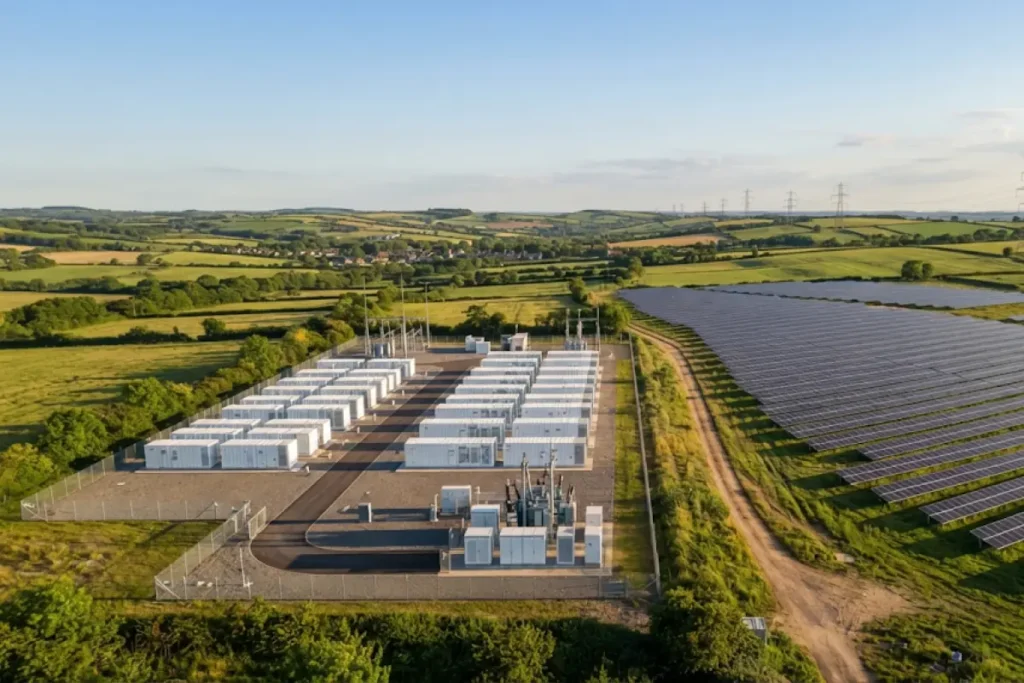
Ask five investors why they want battery storage and you will hear much the same answer: Europe adds more wind and solar every year, prices swing harder than they used to, and a battery can earn money from that. All true. What tends to get skipped is the long list of decisions between that idea and a working site, most of which are made long before any hardware is ordered.
Pick the country first
Rules and rewards differ a lot from one country to the next. In one market the money is mostly in buying cheap power and selling it dear. In another it comes from frequency services or from being paid to stay available. Grid fees, connection queues and permitting times vary too. Before you look at a single project, narrow things down to two or three countries that suit your budget and how long you can wait for a return.
Grid access decides most things
In practice the grid is where most projects stall. A plain field with a signed connection agreement is worth more than a perfect site with no answer from the network operator. Ask where the application stands, who holds the reserved capacity, and what deadlines are attached to it. If the seller cannot answer clearly, treat that as an answer.
Where the money comes from
Most storage projects live off a mix of income: arbitrage between cheap and expensive hours, balancing services sold to the transmission operator, capacity payments in countries that have them, and, for factories and large buildings, lower power bills behind the meter. A good financial model looks at each source separately and does not hang everything on one price forecast. Be wary of a model where every assumption lands on the optimistic side.
Choosing a stage
Projects reach investors at different points. Some are early development, some are licensed, some are ready to build (RTB), and some are already under construction. The earlier you buy, the less you pay and the more permitting and grid risk you carry. RTB costs more but gets you to construction faster. Neither is better in general. It depends on how much development risk your team can live with.
What to read before you sign
Land rights, permits, the grid connection agreement, environmental approvals and the technical design, including the sizing in MW and MWh. A tidy data room saves weeks in negotiation, and it often shows a problem early enough to fix it or to walk away.
Working with local people
Most buyers end up acquiring a project company, so the share purchase terms, tax treatment and local company law all matter. Bring in a lawyer, an accountant and a technical adviser in the country concerned, and do it at the start, not after the offer is made.
Where we come in
Energy markets, licensing, finance and law all touch a cross-border storage deal at once, and that is what we coordinate at EURIVEST ENERGY. We help investors choose markets, screen projects, run due diligence and meet project owners across Europe and the Balkans. If you are planning a first or next storage investment, send us your criteria through the contact page.
